

by Marites Bundoc
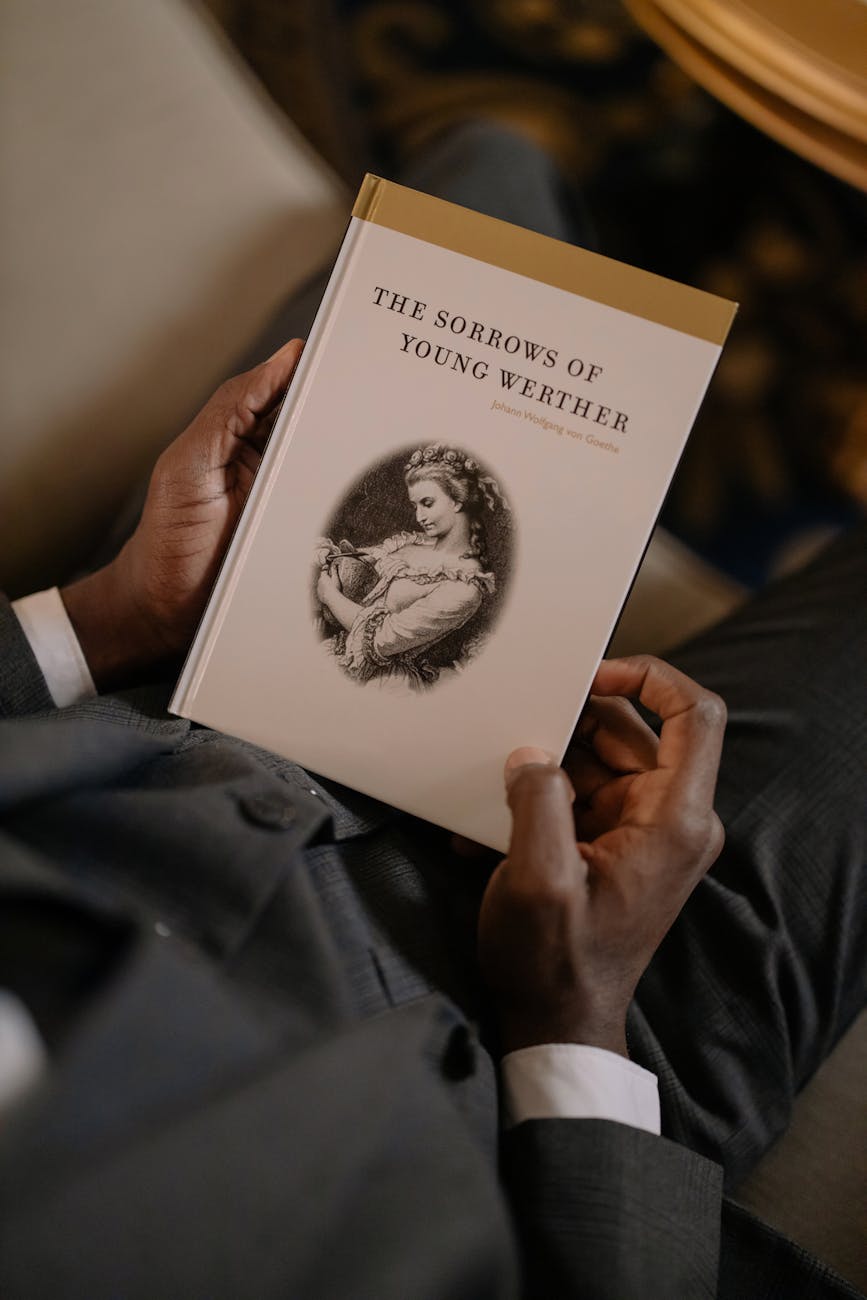
Johanne von Goethe was a German author who invented the concept of “world literature.” It was on the afternoon of January 31, 1827, in his home at Weimar, Germany, when he explained to his student Johann Eckermann that the Chinese had thousands of novels, and “had them when our ancestors were still living in the trees” (1). Much to his surprise, Eckermann’s mentor was reading those Chinese novels, which he did not know even existed.
In my master’s degree program, I encountered a similar experience among some of my classmates who were exposed to European literary works, but not to masterpieces from Oriental, African, Middle Eastern, or other nations. I first encountered Goethe when I studied Faust in college, as I majored in Comparative Literature. You see, CL majors study the masterpieces of literature from different countries from all over the world, thus, world literature. It’s a very broad and exciting field of study.
I had a chance to revisit Goethe once more this past semester in my doctoral program when my class studied Mary Shelley’s Frankenstein, which she wrote in 1816. Shelley referred to The Sorrows of Young Werther by Goethe as one of the books that Frankenstein’s monster “read” (this was one learned and widely read monster!) simply by listening to the DeLaceys reading in their cottage in Switzerland. It’s like listening to an audiobook today.
I always say that reading good stories is like travelling to other places; it’s what we call in literature “vicarious” experiences. It’s a wonderful, exciting, very educational journey, and sometimes, you get to have an “aha!” moment that can change your perspectives in life. For example, Goethe’s Faust is about a doctor who traded his soul with the devil to go to the places he wanted to see.
Sometimes, man’s ambition can turn him to be monomaniacal, obsessed with that which he wants to achieve in life, for example human glory, at the exclusion of everything else. This is what happened to Victor Frankenstein, too – his obsession with his scientific project to create a creature out of a dead corpse and materials from animal remains not only alienated him from his family but also caused the death of some of them, and, worse, it made him violate the laws of nature as he tried to be like God, the creator of human beings.
I pray that we always view everything from the proper perspective, respecting nature and the divine laws, even as we strive to achieve our dreams and preserve the God-given integrity that befits our Christian dignity and high calling.
Note:
1 – Puchner, Martin. The Written World: The Power of Stories to Shape People, History, Civilization. Random House, 2017, pp. 234-5.
 The Journey Through Literature
Leave a comment