

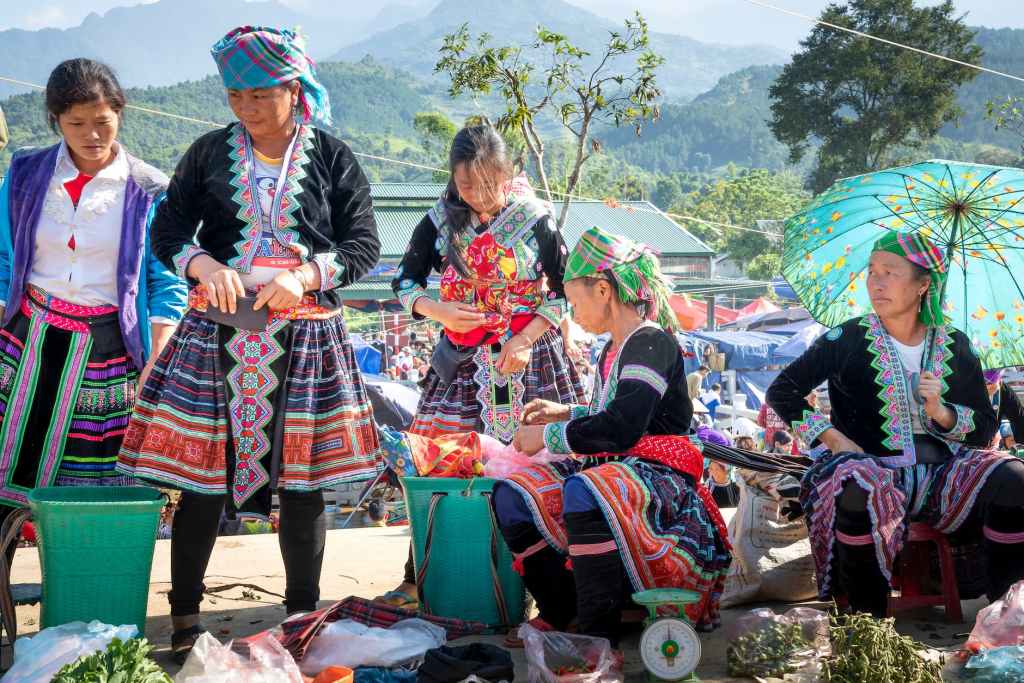
Photo by Quang Nguyen Vinh on Pexels.com 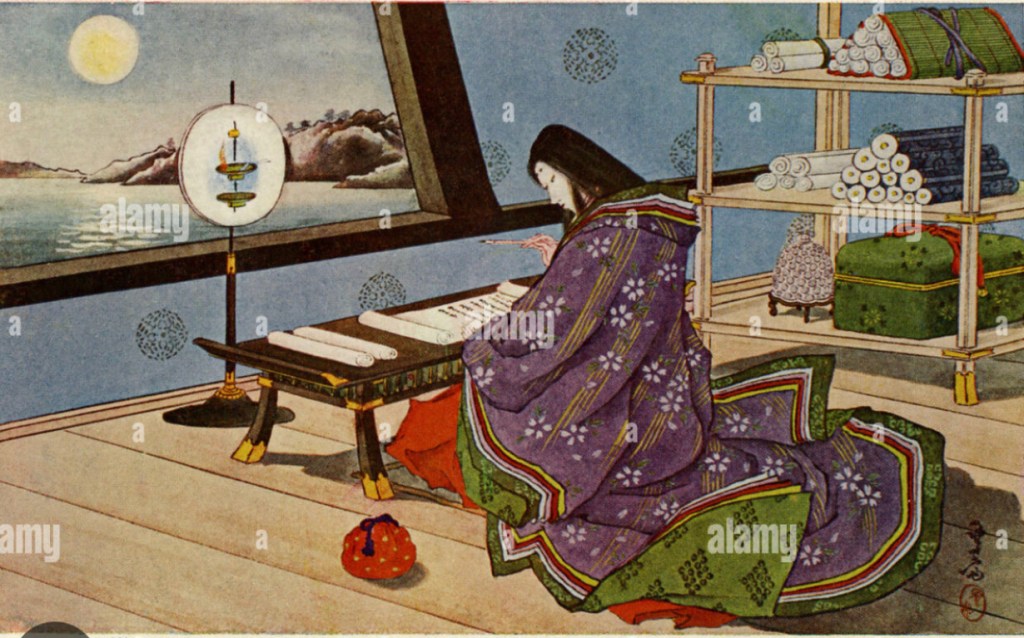
Murasaki Shikibu was the author of The Tale of Genji, the first novel in World Literature. 
Indigenous Culture in the Philippines
The Philippines is home to a rich tapestry of indigenous cultures, each with its own unique traditions, languages, and art forms. These groups, collectively known as the Lumad, embody the diverse history and heritage of the archipelago. Here are some key aspects of indigenous culture in the Philippines:
1. Linguistic Diversity
The Philippines boasts over 175 languages, many of which are spoken by indigenous communities. Each language reflects the identity and worldview of its speakers, contributing to the cultural richness of the nation.
2. Traditional Arts and Crafts
Indigenous peoples are known for their intricate traditional arts, including weaving, pottery, and beadwork. These crafts often carry cultural symbols and stories, serving both functional and aesthetic purposes.
3. Spiritual Beliefs
Indigenous cultures typically involve a deep connection to nature and ancestral spirits. Many communities practice animism, with rituals that honor the earth and the elements. These beliefs are often integrated into their daily lives and celebrations.
4. Festivals and Rituals
Festivals are vibrant expressions of cultural identity. Events such as the Pahiyas Festival and Kalinga’s Bodong Festival showcase indigenous traditions through dance, music, and food, allowing communities to celebrate their heritage.
5. Traditional Knowledge and Practices
Indigenous peoples possess valuable knowledge about sustainable agricultural practices, herbal medicine, and environmental conservation. This wisdom is passed down through generations, highlighting their deep relationship with the land.
6. Struggles and Resilience
Despite facing challenges such as land dispossession and cultural assimilation, indigenous communities in the Philippines continue to advocate for their rights and preserve their heritage. Movements for self-determination and land rights reflect their resilience and commitment to cultural survival.
Conclusion
The indigenous cultures of the Philippines are vital to the nation’s identity, contributing to its diversity and heritage. Efforts to preserve and promote these cultures are essential for maintaining the rich legacy of the archipelago’s original inhabitants. Celebrating and respecting indigenous cultures fosters a greater understanding of their significance in the broader narrative of Philippine history.
Today, the Philippines is a Christian nation, with multi-denomination churches all over the country. Owing to its Spanish heritage, however, Catholicism remains the state religion.
 The Journey Through Literature