

by Marites Bundoc
This is a sestina [1] that I wrote as part of my poetry portfolio in my Poetry Writing course during my master’s program at Tiffin University.
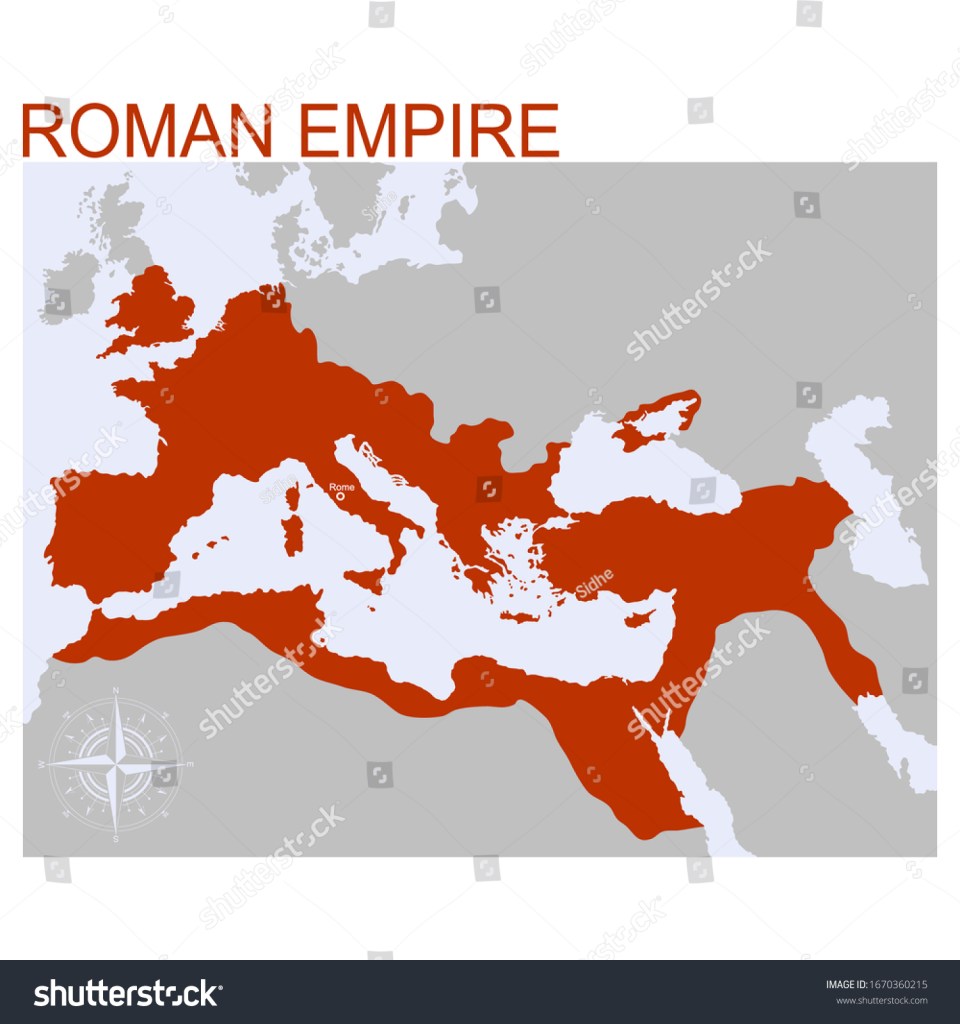
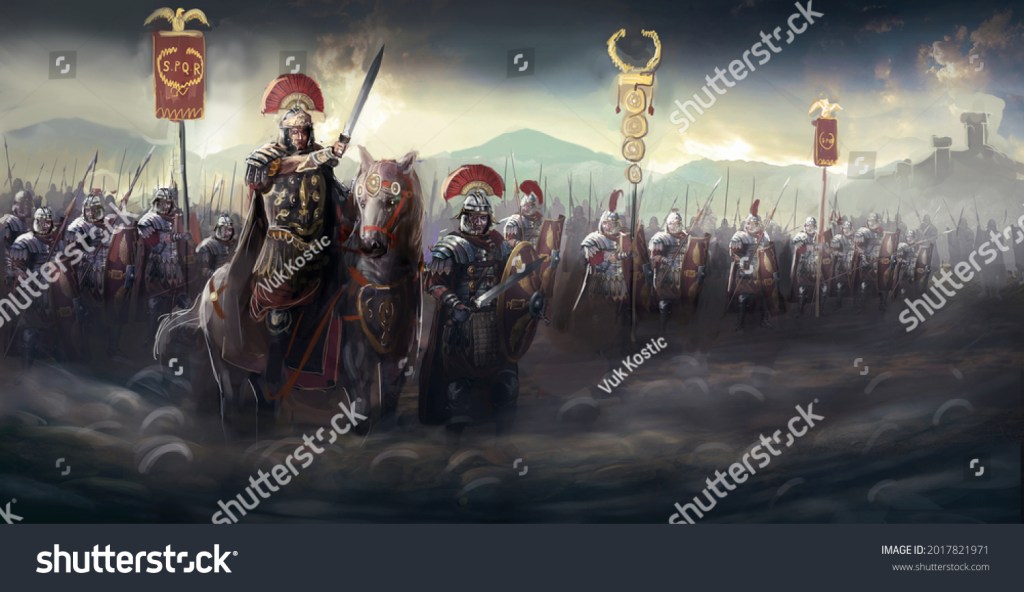
The valiant legions marched on Eagle’s wings;
they carried that proud banner: Ancient Rome.
Enflamed with conquest’s passion, torch of fire
that blazed the world, Mediterranean’s rose.

But unforgiving glory with a thorn,
its insides bruised and gnawed at by a worm.
In every empire there’s a lowly worm
that warms its way into the heart. The wings
that bore the Eagle, torn apart; the thorn
has grown. It bled the hand; the scourge of Rome
laid low. From Trojan ashes Phoenix rose
and burned the tyrant’s throne with brimstone fire.
The soldiers prayed to Mars. The holy fire
was lighted. Soon, the tiny, crafty worm
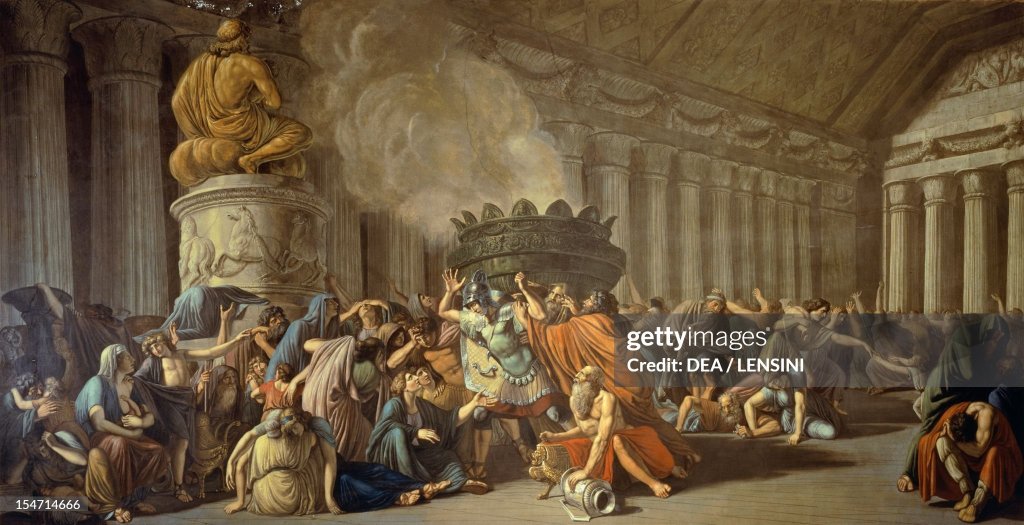
was out into the ground. Its goal: the rose.
And trusting Caesar did not know the wings
of mighty Eagle had been bruised and Rome
was slowly dying, pricked by its own thorn.
The laurel crowned the monarch’s head, the thorn
forgotten: Caesar conquered lands with fire.
Victorious soldiers marching back to Rome,
unknown to them in their ranks was a worm
that bit so slowly rode on Eagle’s wings.
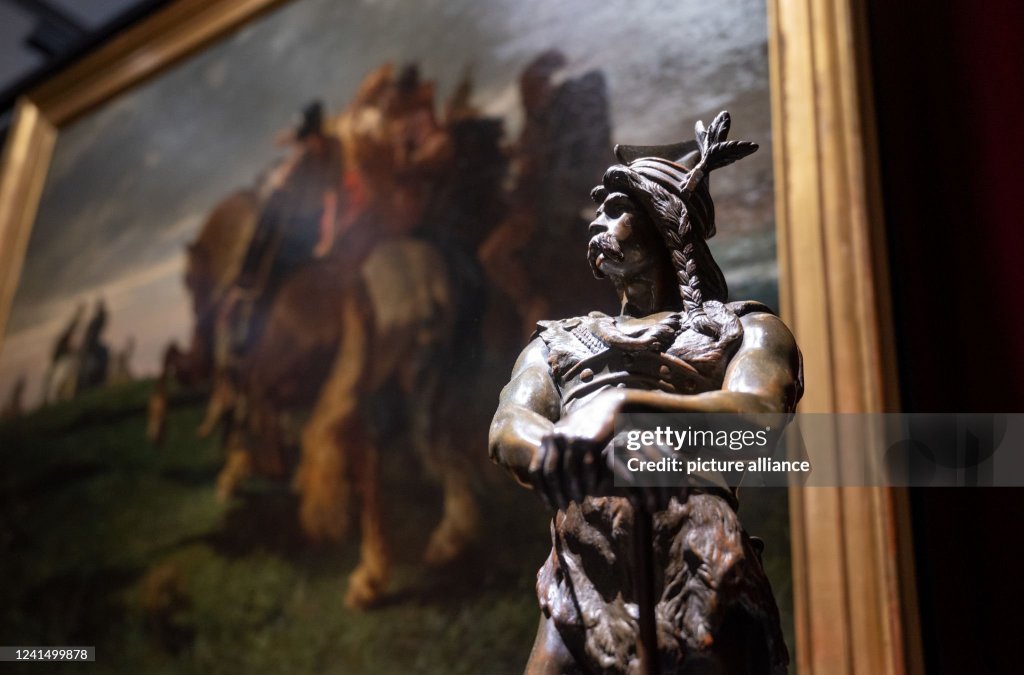
From Northern tribes the fierce barbarians rose!
Against the haughty Romans up they rose
still silently, they pricked Rome like a thorn
upon the flower’s stem. The Eagle’s wings
were caught on its celestial vestal fire.
Within the palace walls a crafty worm
by beauty of a slave enticed – o Rome!
The ancient fathers, glory that was Rome
emblazoned on its breastplate beauteous rose.
But empires fall by parasitic worm;
beneath the treasured flow’r, a deadly thorn.
This nation, like a phoenix, rose on fire
from Trojan sword; Aeneas’ ship on wings!
O mighty Rome, did you forget the thorn

beneath the rose? O glorious land on fire,
decaying with the worm that tore your wings.
Notes:
1 – The sestina as a poetic form originated in France among troubadours. It “has 39 lines and six stanzas, having three envois of three lines at the end. The repetitions stand in for rhyme and are the words at the end of each line. The same six end-words are used throughout” (Strand Mark and Evan Boland. The Making of a Poem.: A Norton Anthology of Poetic Forms. New York: W. W. Norton & Company, 2000, p. 22).
Photo Credits:
Getty Images
Shutterstock
 The Journey Through Literature