


On Christmas Day, 1677, American poet EdwardTaylor’s daughter Elizabeth, died two days before she would have turned a year old.1 Isn’t that sad? Her other daughter Abigail, also passed away before her first birthday.2 Why? We don’t know the reasons why these babies were taken away from their parents too early in life. You would have thought that Taylor would be questioning God as to why he would give him these beautiful angels only to take them away so soon. But Taylor did not; he accepted them as part of God’s will.
Taylor lived and was raised in the Puritan mentality of trusting God’s wisdom in everything that happens in life. Many times, we question God’s dispositions: if he is a kind, mercifully and loving God, why does he allow misfortunes to happen to mankind? Wars, tsunamis, earthquakes, fires, gun violence, white slavery, and many other devastating calamities occur on a regular basis. In the musical Les Mis, Jan Valjean sings that God gives and God takes,3 an allusion to Job 1.21. But this is a misnomer: God simply gives; he does not take. It is Satan who steals, kills, and destroys (1 Peter 5.8).4

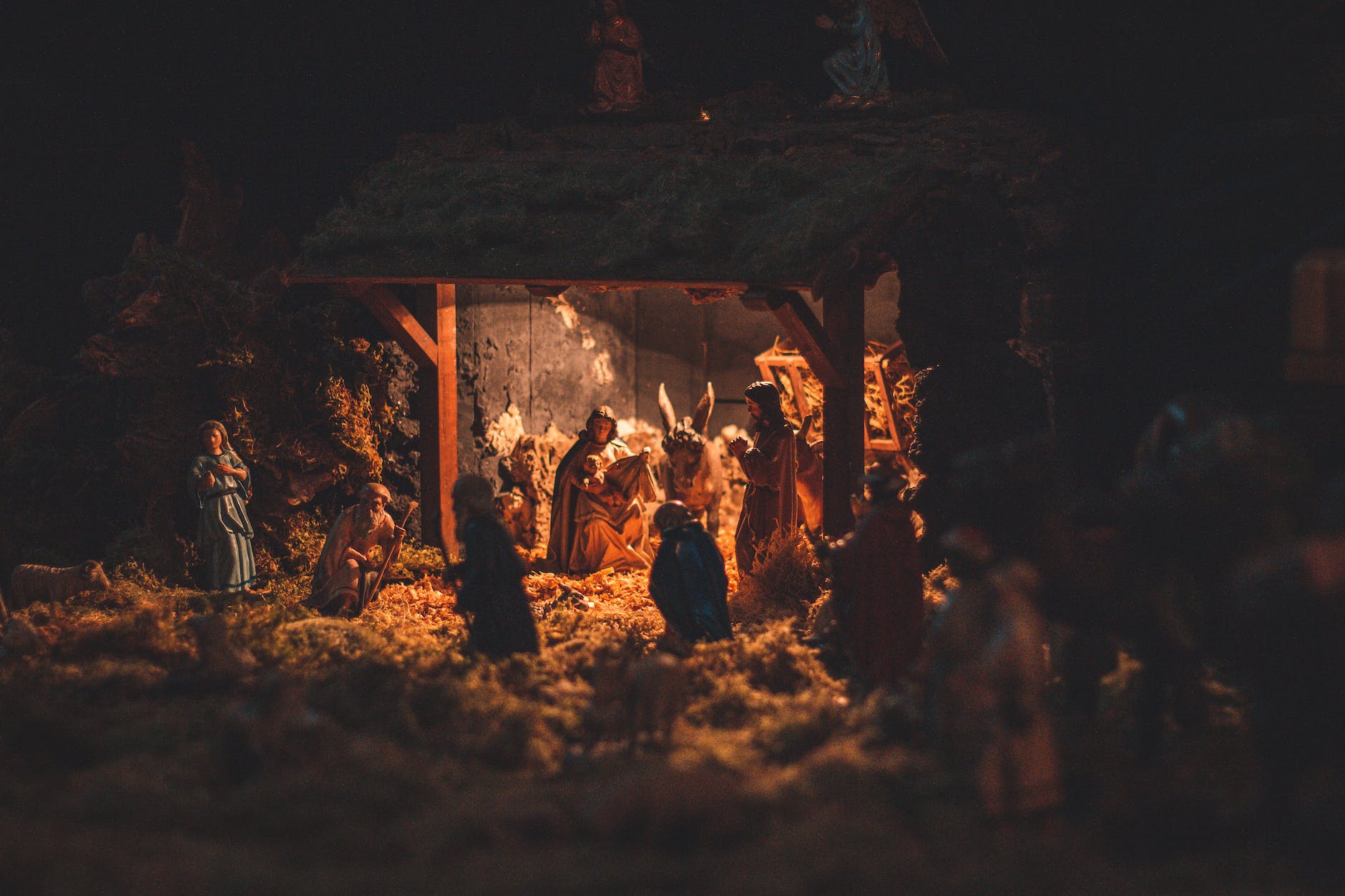
God is a just God. He allows these negative things in the world as a consequence of man’s Fall in the Garden of Eden (Gen. 3).5 And that is why He sent Jesus to earth to redeem mankind from the evils of sin that brings about destruction. This is the meaning of Christmas, not the commercialized band wagon that society or the media have perpetrated.

1Taylor, Edward. “Upon Wedlock and Death of Children.” Robert Levine,, et al., editors. The Norton Anthology of World Literature. 10th ed. W. W. Norton & Co. 2022. p 157.
2Ibid.
3NIV Bible Gateway.
4Ibid.
5 Ibid.


 The Journey Through Literature
Leave a reply to maritesbundoc Cancel reply